
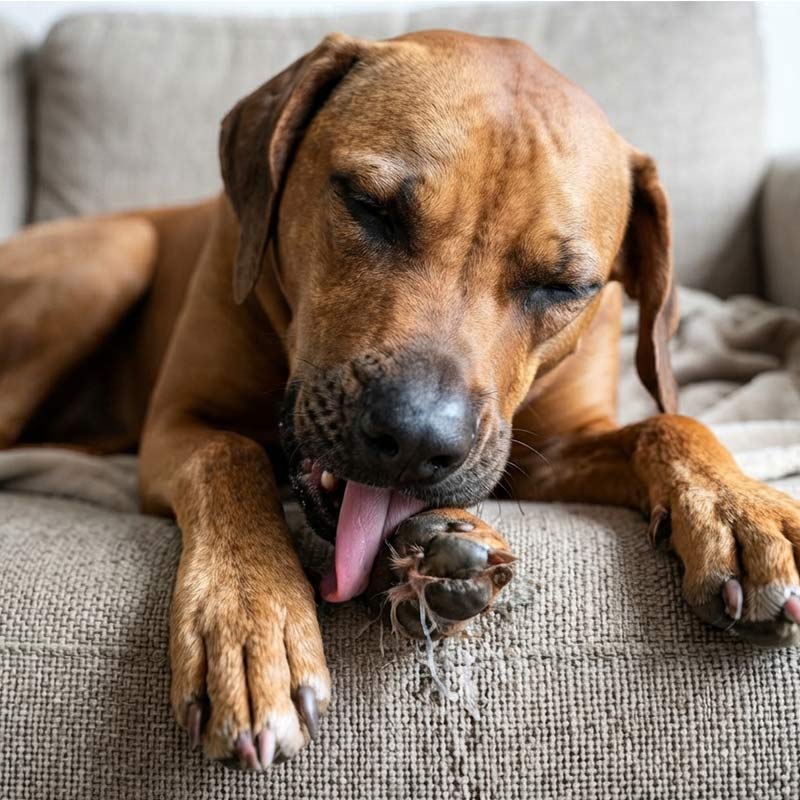
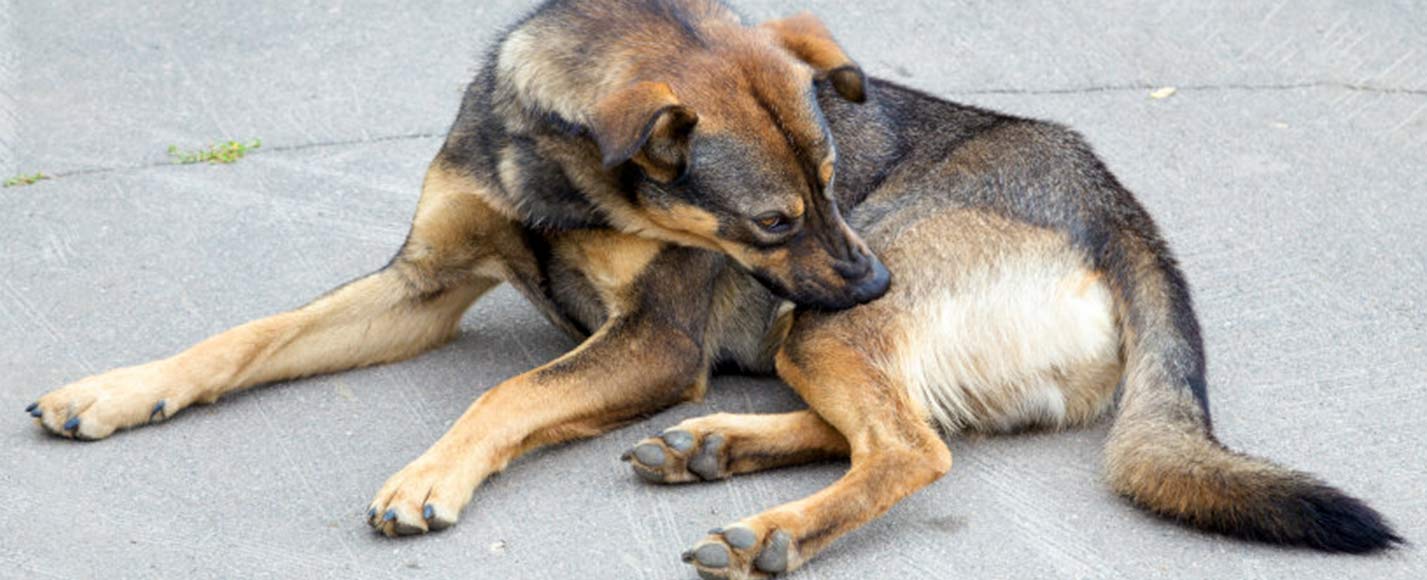
Dogs lick their paws for a reason. Sometimes it is a short-lived irritation. Sometimes it is an allergy, a sore pad, or a habit that has gotten out of hand. The useful first step is to work out how serious it is, then keep a simple daily routine going.
The short answer
Paw licking is often a sign of itchy skin, seasonal allergies, dry pads or a mild irritation between the toes. If the licking is new, mild and your dog is otherwise well, a daily allergy chew and a check of their paws can be a sensible start. If the skin is raw, smelly, swollen or your dog is miserable, speak to your vet.
Why dogs lick their paws
Dogs lick their paws mainly to relieve an itch (often from allergies) in a place they cannot easily scratch and the same repetitive licking can also feel soothing. This is why the habit can quickly become both a scratch and a comfort.
Common causes include:
- Seasonal allergies, such as grass and pollen
- Year-round indoor triggers, including dust and dry air when the heating is on
- Food sensitivities
- Yeast or bacteria between the toes after wet walks
- A grass seed, thorn or cut in the pad
- Boredom or stress
- Dry, cracked pads in winter
You do not need a perfect diagnosis before you make the dog more comfortable. You do need to notice whether it is getting better or worse.
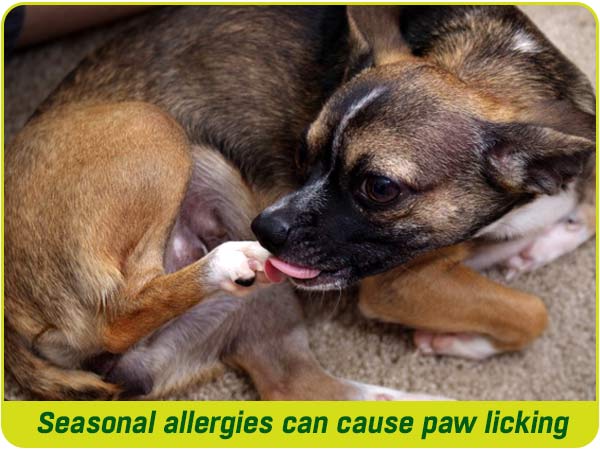
Signs it’s more than a small itch problem
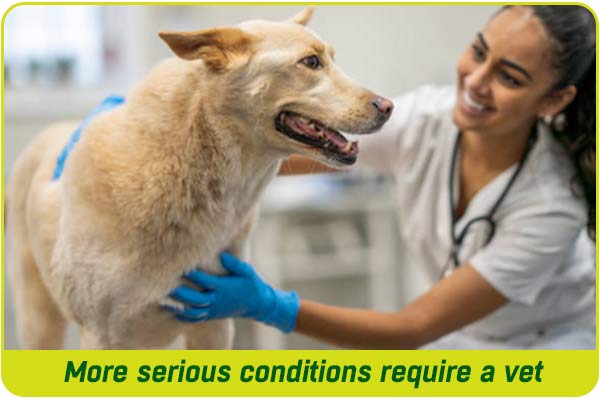
See a vet if you notice:
- Red, hot or swollen paws
- Open sores or hair loss
- A yeasty or unpleasant smell
- Limping
- Licking that stops them sleeping
- Face rubbing, ear problems or tummy upset at the same time
Those signs can point to an infection or a problem that a chew or supplement alone will not fix.
How CANIVET Allergy and Immunity Chews can help
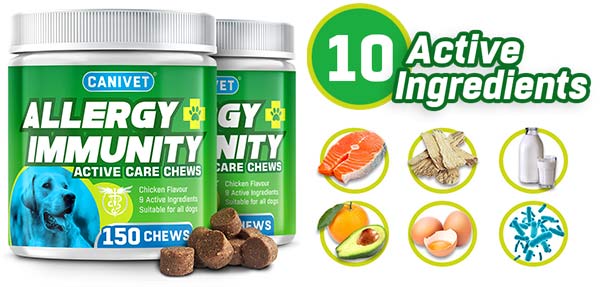
CANIVET Allergy and Immunity Chews are meaty daily treats with 10 active ingredients, including Colostrum, Quercetin, Salmon Oil, Zinc and a gut-health blend. They are made for dogs who scratch, lick their paws or flare up in certain seasons.
They’re easy to use. Give the full daily serving in one go, as a treat:
Some owners notice less frantic scratching within a few days. For many dogs it takes two to four weeks of consistent daily use. Keep going after the first improvement, especially throughout the season that usually sets them off. The Allergy and Immunity chew formula is based on natural ingredients and is totally safe for continuous, ongoing use.
If digestion is part of the picture, CANIVET Probiotics for Dogs can be sued to good effect alongside the chews. The chews focus on itching, coat and immunity. The powder focuses on reducing loose stools, gas, upset stomachs and restoring a healthy gut balance.
CANIVET Allergy and Immunity Chews are made with real meat, high strength active ingredients plus Fast & Free UK mainland delivery.
| Dog weight | Chews a day |
| Up to 10kg | 1 |
| 10–25kg | 2 |
| 25–35kg | 3 |
| 35–45kg | 4 |
| 45kg+ | 5 |
Allergy and paw-licking FAQs
Why does my dog lick their paws at night?
Itching often feels worse when they settle. Dry indoor air and heating can add to that in autumn and winter.
Is paw licking always an allergy?
No. Check for a cut, grass seed or sore pad first. If the skin looks angry or smells, get a vet to look.
How long should I try chews before I decide?
Give them daily for several weeks unless the paws get worse. A few quiet days is a good sign, not the full result.
Can I use anti-allergy chews with probiotics for dogs?
Yes. Many dogs who itch also have an unsettled gut. Use the chews as a treat and sprinkle the powder on food.
Simple next steps
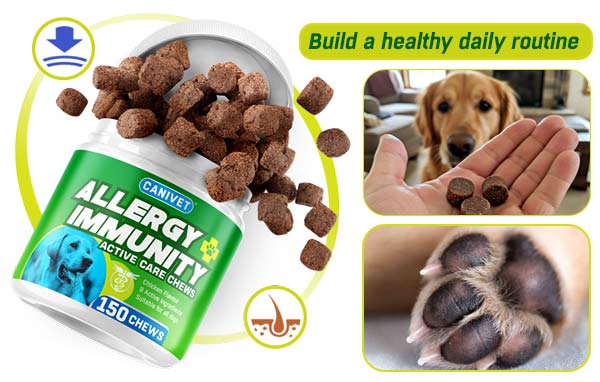
Look at the paws, keep them clean and dry, and start a daily chew if the licking is mild. If it is raw, painful or getting worse, call your vet. The aim is a comfortable dog and a routine you can keep, not a new product every week.
If the licking looks like it’s caused by everyday itchiness rather than an injury, CANIVET Allergy & Immunity Chews are a straightforward way to help your dog feel more comfortable. They are a daily treat chew with a blend of anti-itch and skin-support ingredients, which most dogs take willingly with zero fuss. Give them consistently, keep the paws rinsed and dry after walks, and give it a few weeks before you judge the change. They will not replace a vet visit if the skin is broken, smelly or your dog is clearly sore – but for mild, ongoing paw-licking they can be the simple daily habit that makes a real difference.

